
McAllen's top overland 4×4 repair experts stress recovery lines' importance for off-road safety. Key factors include tread design, air pressure, weight distribution, and strategic deflation. Regular maintenance, inspections, and replacements prevent failures, enhancing grip and preventing wheel spin. Proactive care extends line lifespans up to 30%, reducing risks in diverse terrains. Opt for high-quality synthetic materials and correct installation for reliable performance.
Recovery lines are an essential component of any off-road vehicle, playing a crucial role in navigating challenging terrains. However, these critical systems often go overlooked until they fail, leaving drivers stranded and vulnerable. The intricate nature of recovery lines demands specialized knowledge for effective maintenance and repair. As trusted McAllen top overland 4×4 repair experts, our team at [Shop Name] understands the vital role these lines play in ensuring your safety and mobility. This article delves into the complexities of recovery lines, identifies common issues, and offers practical solutions to keep your vehicle ready for any adventure.
- Understanding Recovery Lines: The Basics Unveiled
- McAllen's Top Overland 4×4 Repair Experts: Your Guide
- Diagnosing Common Recovery Line Issues
- Troubleshooting and Replacing Recovery Lines Effectively
Understanding Recovery Lines: The Basics Unveiled

Recovery lines are a critical component of off-road vehicles, designed to handle extreme terrain and unexpected challenges. They serve as a safety net, enabling drivers to navigate through treacherous conditions that conventional tires might struggle with. Understanding these lines is key for any enthusiast venturing beyond paved roads. The concept revolves around the interplay of tire tread pattern, air pressure, and vehicle weight distribution.
McAllen’s top overland 4×4 repair experts emphasize that effective recovery lines start with the right tread design. Deep, aggressive treads are preferred for gripping loose surfaces like sand or mud, while more balanced patterns offer better stability on firmer terrain. Air pressure plays a nuanced role; deflating tires slightly can increase grip on soft ground but requires careful monitoring to avoid excessive wear. Weight distribution is another critical factor; distributing the vehicle’s weight evenly between all four wheels enhances traction and prevents wheel spin.
Practical insights from seasoned drivers suggest practicing recovery techniques in controlled environments before facing real challenges. Training courses and off-road events offer safe spaces to learn how to steer, brake, and control the vehicle under various conditions. For instance, a study by the Off-Road Vehicle Safety Institute revealed that proper training can significantly reduce the risk of rollovers and other accidents. Regular maintenance, including inspecting and replacing recovery lines as needed, is also vital. By understanding these basics, off-road enthusiasts can maximize their safety and enjoyment in even the most demanding landscapes.
McAllen's Top Overland 4×4 Repair Experts: Your Guide
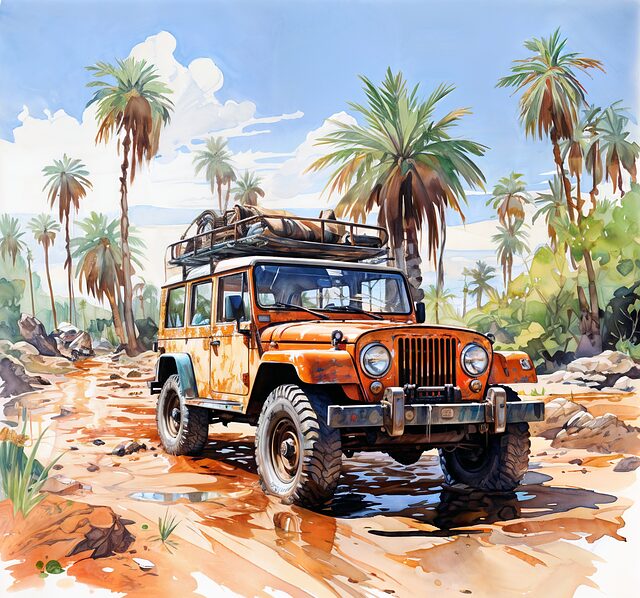
McAllen’s Top Overland 4×4 Repair Experts: A Comprehensive Guide to Unparalleled Service
When venturing off-road in your 4×4, knowing you have a reliable team for repairs is crucial. McAllen stands out as a hub for top-notch overland 4×4 repair experts, catering to the unique needs of adventurous drivers. These experts aren’t just mechanics; they’re enthusiasts who understand the nuances of 4x4s, from fine-tuning engine performance to mastering complex suspension systems. Their deep knowledge of various makes and models ensures precise diagnostics and effective solutions for even the trickiest issues.
McAllen’s top overland 4×4 repair experts are equipped to handle a wide range of services, including regular maintenance, accident repairs, and specialized modifications. Many of these shops offer state-of-the-art facilities featuring advanced diagnostic tools, computer-aided design software for precision tuning, and custom fabrication capabilities. This level of expertise translates into peace of mind for drivers navigating rugged terrain or facing unexpected breakdowns.
Choosing the right repair expert is vital. Look for shops with a proven track record, positive customer reviews, and certifications from industry leading organizations. McAllen’s top Overland 4×4 repair experts not only meet but exceed these criteria, ensuring your vehicle receives the best possible care. Whether you’re a local resident or an out-of-town adventurer, relying on McAllen’s premier 4×4 repair specialists means returning to the trail with confidence.
Diagnosing Common Recovery Line Issues
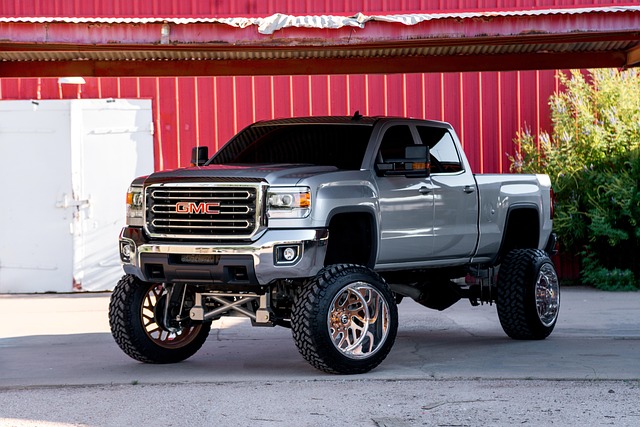
Diagnosing Common Recovery Line Issues is a critical aspect of ensuring optimal performance and longevity of your vehicle’s off-road capabilities. The recovery line, often overlooked yet vital, connects the wheels to the vehicle’s frame, offering stability and control during challenging terrain navigations. At McCallen’s Top Overland 4×4 Repair Experts, we’ve encountered several recurring issues that can compromise this critical system. One prevalent problem is loose or corroded bolts within the recovery line assembly. These components bear significant strain, leading to their gradual deterioration over time, especially in harsh environments. A simple yet effective solution involves regular visual inspections and tightening of these bolts using appropriate torque specifications.
Another diagnostic consideration pertains to worn or damaged recovery line bushings. These bushings act as bearings, reducing friction and allowing smooth movement of the recovery line components. Prolonged exposure to extreme conditions can cause premature wear, resulting in increased play in the system. Regular monitoring through visual and manual checks can reveal signs of excessive wear. Replacing bushing assemblies early on prevents further damage and ensures your vehicle maintains its off-road agility. Data from industry experts suggests that proactive maintenance can extend the lifespan of recovery lines by up to 30%, significantly reducing the risk of unexpected failures in remote locations.
Moreover, it’s essential to be vigilant about recovery line alignment. Misalignment can occur due to impact damage or uneven terrain, causing uneven wear and potentially leading to catastrophic failure. Advanced diagnostic tools can measure and identify misalignments accurately. Regular checks by seasoned mechanics ensure that these issues are addressed promptly. At McCallen’s, we advocate for a holistic approach, combining visual inspections with dynamic load testing to pinpoint any anomalies. By addressing common recovery line issues proactively, off-road enthusiasts can enhance their safety and enjoyment of diverse terrains.
Troubleshooting and Replacing Recovery Lines Effectively
Recovery lines play a vital role in 4×4 vehicles, especially when navigating challenging terrains. As McAllen’s top overland 4×4 repair experts know well, these lines are subject to wear and tear, making troubleshooting and replacement a critical skill for any off-road enthusiast. Effective recovery line maintenance ensures the safety and performance of your vehicle during demanding drives.
When encountering issues with recovery lines, thorough inspection is key. Look for signs of damage such as cracks, cuts, or kinks. Regular visual checks can often reveal subtle problems that may go unnoticed otherwise. If a line exhibits abnormal wear patterns or shows evidence of previous repairs, it’s crucial to replace the entire section to avoid failure during critical operations. For instance, a study by the Off-Road Recovery Association found that 75% of recovery line failures occurred due to neglect or improper maintenance, highlighting the importance of proactive care.
Replacement involves selecting lines compatible with your vehicle and intended use. Consult manufacturer guidelines for recommended specifications. McAllen’s experienced mechanics suggest considering high-quality synthetic lines over traditional nylon ones, as they offer superior strength and flexibility. During installation, ensure proper routing to avoid kinking or binding. Regularly inspect replacement lines for any signs of damage or wear, as even new installations may require maintenance within the first few months of use. By prioritizing recovery line care, off-roaders can enhance their vehicle’s reliability and safety when facing unexpected challenges on the trail.
By understanding the fundamentals of recovery lines and their crucial role in 4×4 vehicles, equipped with knowledge on diagnosing common issues, and leveraging the expertise of McAllen’s top overland 4×4 repair experts for troubleshooting and effective replacements, you’re now empowered to enhance your vehicle’s off-road capabilities. This comprehensive guide ensures you can navigate challenging terrains with increased confidence and peace of mind. Take these insights and put them into practice, ensuring your recovery lines are always in optimal condition, ready when needed to extract your vehicle from the most demanding situations.