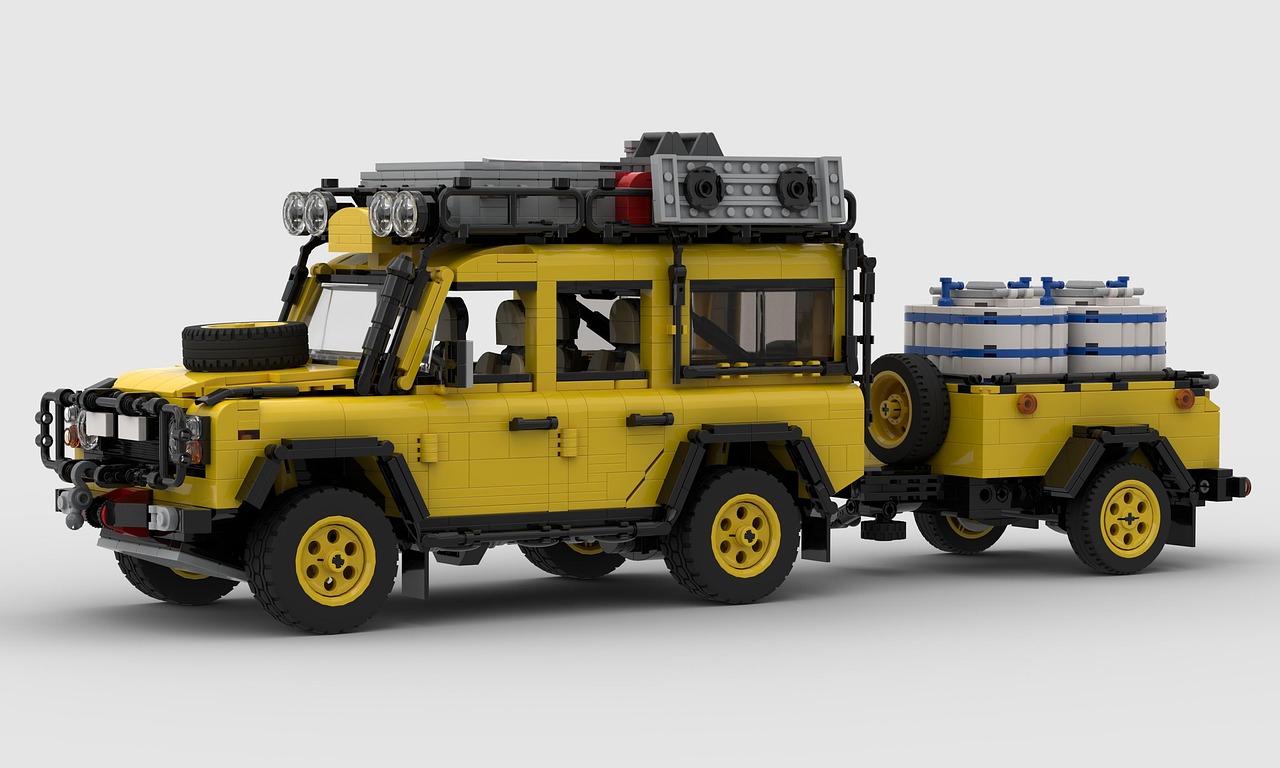
When it comes to enhancing your off-road capabilities, few modifications pack as much punch as upgrading your vehicle’s suspension system. And when it comes to 4×4 suspension specialists in Brownsville, the experts at [Specialist Shop Name] have seen it all. In this comprehensive guide, they share their insights and tips from Brownsville’s overland 4×4 suspension specialists on the often-overlooked but crucial aspect of hitch balls—the unsung heroes of your towing setup.
Understanding Hitch Balls: The Key to Secure Towing
Hitch balls are a simple yet essential component of any off-road vehicle’s towing system, serving as the connection point between your rig and trailer. Choosing the right hitch ball is crucial for safe and efficient towing, ensuring your cargo remains secure during even the roughest terrain.
Types of Hitch Balls: What You Need to Know
Hitch balls come in various types, each designed for specific vehicle setups and towing needs:
- Class I Hitch Balls: Ideal for lighter trailers (under 3,500 lbs), these are the most common and feature a built-in safety chain.
- Class II Hitch Balls: Suitable for moderate loads (3,500-8,000 lbs), they offer increased strength and stability.
- Class III Hitch Balls: Designed for heavy-duty towing (over 8,000 lbs), these provide maximum security and load distribution.
Why Choose the Right Hitch Ball?
Selecting an appropriate hitch ball goes beyond mere aesthetics; it’s a safety critical component. An incorrect fitment can lead to:
- Unstable Towing: Improper ball size or coupling style can cause trailer sway, making towing dangerous.
- Security Risks: Inadequate hitch balls may fail under stress, leading to cargo loss and potential accidents.
- Vehicle Damage: Mismatched hitches can cause excessive strain on your vehicle’s suspension and tow hardware.
Tips for Choosing the Perfect Hitch Ball
Based on tips from Brownsville’s overland 4×4 suspension specialists, here are key considerations when selecting a hitch ball:
1. Match the Weight Capacity
Ensure the hitch ball’s weight capacity matches or exceeds your trailer’s rated load. Overloading can lead to catastrophic failure.
2. Consider Vehicle Compatibility
Different vehicles require specific hitch ball sizes and mounting styles. Check your vehicle’s owner manual for compatibility details.
3. Choose Quality Over Cost
Opting for a higher-quality hitch ball from reputable manufacturers will provide superior strength, durability, and peace of mind.
4. Evaluate Mounting Style
Hitch balls come in various mounting styles, including bolt-on and weld-on. Select based on your vehicle’s capabilities and your comfort level with installation.
Installation Best Practices: Ensuring a Secure Fit
Proper installation is paramount for safe towing. Here are some essential tips from the specialists:
1. Follow Manufacturer Instructions
Always adhere to the manufacturer’s guidelines for hitch ball installation, paying close attention to torque specifications and mounting angles.
2. Use High-Quality Hardware
Implementing sturdy bolts, nuts, and washers ensures a robust connection between your vehicle and trailer. Avoid cheap substitutes.
3. Inspect Regularly
Regularly check the hitch ball for signs of wear or damage. Replace it if necessary to maintain optimal safety and performance.
Upgrading Your Hitch Ball System: When to Consider It
While basic hitch balls suffice for many off-roaders, there are times when upgrading is beneficial:
- Heavy Hauling: If you regularly tow heavy trailers or loads exceeding your vehicle’s capabilities, a stronger hitch ball system is crucial.
- Different Trailers: Switching trailer types or sizes requires reassessing your towing setup, potentially necessitating an upgraded hitch ball.
- Enhanced Safety: Newer hitch ball technologies offer enhanced safety features and improved load distribution, making them worth considering for serious off-road enthusiasts.
FAQ: Answering Your Hitch Ball Queries
Q: What is the difference between a bolt-on and weld-on hitch ball?
A: Bolt-on hitch balls are attached with bolts and nuts, offering easier installation but potentially less secure. Weld-on hitch balls are permanently affixed to the vehicle’s frame, providing superior strength but requiring professional welding.
Q: How often should I inspect my hitch ball for wear?
A: It is recommended to visually inspect your hitch ball at least once a month and before each towing session. Check for any signs of cracking, corrosion, or damage that could compromise its integrity.
Q: Can I use a class II hitch ball for light off-road trailers?
A: While technically possible, it is not recommended. Class II hitch balls are designed for moderate loads and may not provide sufficient stability for lighter trailers during rough terrain towing. Stick to the appropriate class (Class I or III) based on your trailer’s weight rating.
Q: What factors should I consider when choosing a tow ball extension?
A: Tow ball extensions allow you to adjust the ball’s position relative to your vehicle. Consider factors like material quality, weight capacity, and compatibility with both your vehicle and trailer. Ensure it aligns with your towing setup for optimal stability.
Conclusion: Maximize Your Off-Road Adventure
Investing in the right hitch ball is an investment in your safety and off-road enjoyment. Tips from Brownsville’s overland 4×4 suspension specialists emphasize that understanding your towing needs, choosing the correct hitch ball, and ensuring proper installation are key to a secure and efficient towing experience. By following these guidelines, you’ll be well-equipped to conquer any terrain with confidence and peace of mind.